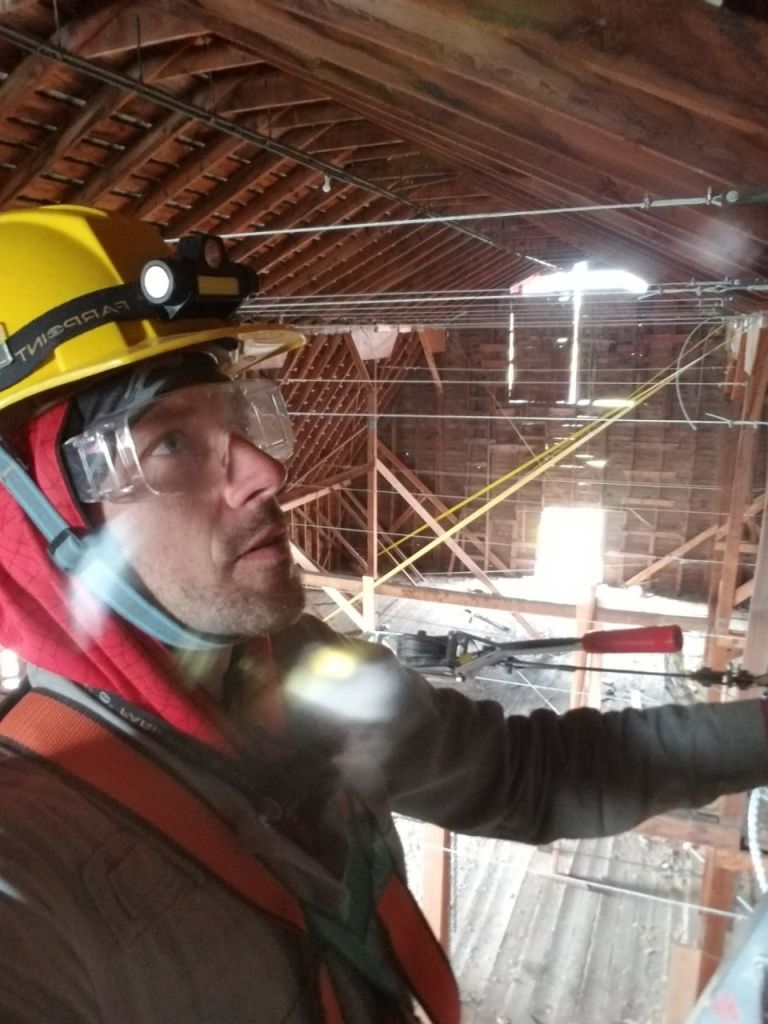
We use a methodical, time-tested process to analyze and restore apperance and utility to any structure, no matter how isolated
Service methodoligy and process
We take the time needed to ensure your structure will last as long or longer than it has already. We understand the testament to time and craftsmanship these historical buildings represent.
It is our goal and pleasure to ensure our quality work will outlast us and the people that hired us. This is why most of our projects are visited at least once a year for the first few years to ensure proper loading and tensioning of the installed components. It also allows us to really know how the buildings respond to our rescue operations so we can use the most efficient time tested methods.
As an owner the most important thing to realize is that structural damage left unchecked will accelerate as gravity and weathering compound each other and fastened hardware begins to loosen. By the time the damage is visually evident. It’s past maintenance and requires immediate repair, or at the least, shoring to arrest the decay and degradation.
analyzation
When inspecting a building, there are several things to notice when examining the walls and other parts of the structure. Here are some key factors to look for:
- Cracks and damage: Check for any cracks or damage in the walls, both interior and exterior. Look for any signs of settling, such as cracks in the foundation or shifting walls.
- Moisture damage: Look for any signs of moisture damage, such as water stains, mold or mildew growth, or soft spots in the walls. Moisture can weaken the structural integrity of the building and lead to rot or decay.
- Structural components: Inspect the structural components of the building, including the beams, columns, and supports. Check for any signs of damage or stress, such as bending, cracking, or splitting.
- Electrical and plumbing systems: Look for any signs of wear or damage in the electrical and plumbing systems, including loose wires or pipes, leaks, or other issues.
- Windows and doors: Inspect the windows and doors for any signs of damage or wear. Check that they open and close properly, and that there are no cracks or gaps in the frames.
- Roof and gutters: Check the roof and gutters for any signs of damage or wear, including missing shingles, cracks, or leaks. Make sure that the gutters are clear of debris and are functioning properly.
- Pest damage: Look for any signs of pest damage, including termites or rodents, which can weaken the structure of the building over time.
Rescue Plan
We review analysis results which include load distribution, photos, notes, diagrams showing angles and degrees of walls, roofs, flooring and sheathing. Grades, drainage and adjacent topography and soil. In order to develop a plan of action for repair or renovation.
Professionals will be brought in for secondary inspection based on work needed. For example, a geotechnical engineer or a structural engineer, will typically assess a site to determine the soil conditions and the specific needs of the building. Some of the things they may assess include:
- Soil composition: The engineer will analyze the type of soil present at the site, including its texture, density, and moisture content. This information is important for determining the load-bearing capacity of the soil and the type of foundation that will be needed to support the building.
- Site topography: The engineer will assess the topography of the site to determine if there are any natural features, such as hills or valleys, that may affect the foundation design.
- Building weight: The engineer will calculate the weight of the building and the load it places on the foundation. This information is important for determining the size and depth the foundation should be to support the building.
- Local building codes: The engineer or contractor will review local building codes and regulations to ensure that the proposed foundation design meets all applicable requirements.
- Existing site conditions: The engineer will assess any existing site conditions that may affect the foundation design, such as the presence of underground utilities, nearby structures, or other obstructions.
- If applicable by law, inspectors will be brought in to confirm applicable local ordinance and regional code requirements and regulations for permitting and inspection forms and processes.
Based on these assessments, the engineers, specialists or architects will develop framing/truss/foundation designs and/or material specifications that is tailored to the specific needs of the building, regulatory statutes and the site conditions that are required or present. They will also provide recommendations for any additional structural repairs or reinforcements that may be needed to ensure the building is safe and stable before, during and after the repair process.
Objects of interest
- Proper foundation: A solid foundation is critical to ensuring that the weight of the structure is evenly distributed and does not cause the walls to bow or the roof to sag. If the existing foundation is insufficient, adding an anchoring bracket foundation, underpin, sub-footing or pier system can help prevent future issues.
- Regular maintenance: Regular maintenance can help repair any potential issues before they become major problems. This includes inspecting the walls and roof for any signs of bowing or sagging and addressing any issues promptly.
- Proper ventilation: Proper ventilation is important to prevent moisture buildup, which can weaken the structure and lead to rot and decay. This includes ensuring that the roof has adequate ventilation and that there is proper airflow throughout the structure.
- Proper loading: Proper loading is important to ensure that the structure can support the weight of any equipment or materials stored inside. This includes ensuring that heavy loads are evenly distributed and that the structure is not overloaded.
- Adequate drainage and water diversion through the use of drains, retaining walls and proper landscaping and grading of surrounding surfaces will prevent water damage to structure.
- Sufficient fasteners; stud, joist and rafter spacing and spans and column heights for the intended and predicted static and dynamic loads.
Execution of Rescue Plan
The proper order in which the building is repaired is as important if not more important than how the building is repaired. If not done in proper order the problem can become worse or damage other structural components which can manifest immediately or years later.
- Stabilize the existing structure:
- Identify and reinforce areas that are correctly aligned and stable. This can involve adding additional framing, bracing, or supports to hold these areas in place.
- Evaluate the overall structural integrity and identify any critical weak points that require immediate attention.
- Ensure that the structure is safe for further work by securing loose components and addressing any immediate safety hazards.
- Address the bowing walls:
- Assess the current condition of the walls and determine the extent of the bowing in different areas.
- Examine the framing and confirm that it is securely anchored, fastened and capable of supporting required loads.
- Rig and gradually apply tension to cables using turnbuckles and comealongs to pull the walls back into place. This should be done incrementally and carefully, monitoring the progress and adjusting the tension as necessary.
- Seek professional guidance to determine the appropriate amount of tension to apply to the cables based on the specific structural requirements and limitations of the barn.
- Lift the low side of the barn:
- Evaluate the degree of tilt and identify the specific areas where the structure is lower.
- Install temporary framing (if needed) is in place. Use hydraulic jacks or other lifting equipment strategically placed under the low side of the barn to gradually lift and level the structure. Many jacks may be placed, even long the side walls.
- Lift the structure slowly and evenly to prevent additional stress on the walls or other components.
- Monitor the progress closely, ensuring that the structure is being lifted uniformly and not causing any excessive strain on the remaining elements.
Top Tier Options
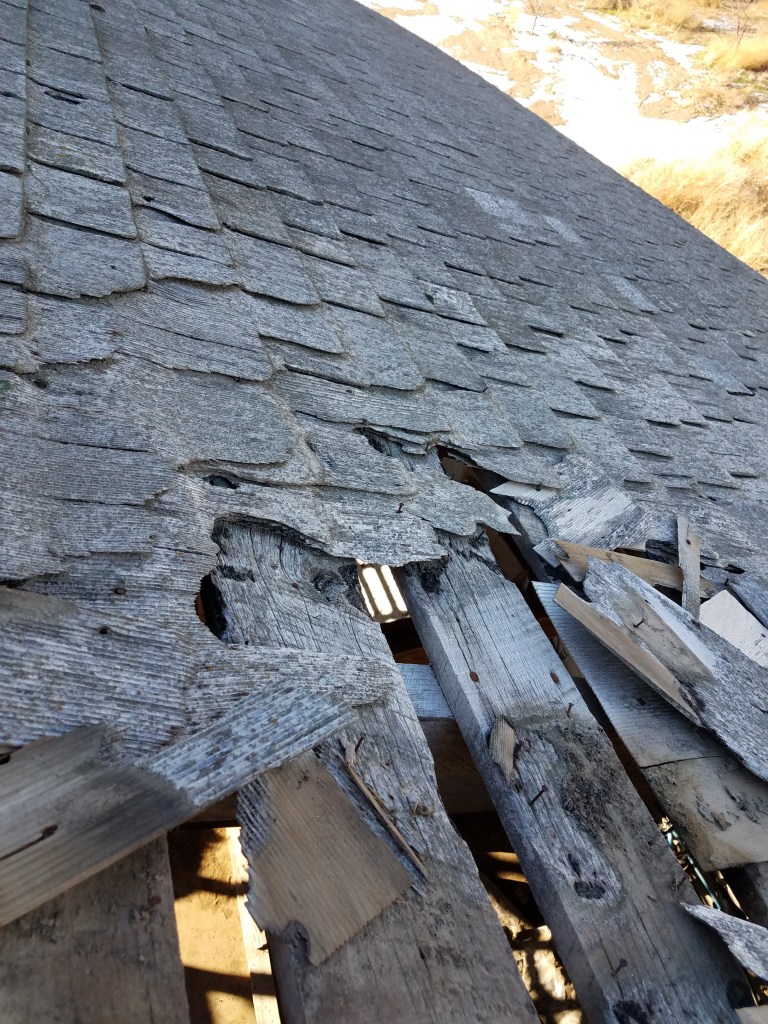
Truly Authentic work
We have some aged materials in stock and for a premium price can restore your historic building using similarly aged materials to keep a truly authentic look and performance.
We also are skilled in aging modern woods to match existing lumber for a lower cost than sourcing era-matching lumber.

Remote Location, No Problem
Down the winding roads into the valleys of Elk City to the isolated cabins scattered past the end of non-maintained roads, we’ve been there. NDA required? No Problem!
We are equipped for and experienced with mixing concrete on locations where commercial trucks won’t go, back-country on-site chainsaw milling dry logs. Hiking in tools and supplies to isolated, off-grid sites are no-problem and doable. If a lifted 4×4 will get us relatively close, we can bring in our mechanical and lightweight equipment to rescue, repair or renovate any structure.
Testimonials
“Adding our crest to the entrance slab and shaping/dying concrete piers to match nearby rocks are the kinds of details that set Old Timer’s work above the rest.”
Anonymous – Isolated Smokey Bar Cabin
Going above and beyond expectations seems to be the status quo for Matthew’s craftsmanship and work ethic. Amazing! The barn once again looks like it does in the old B&W photos our grandpa took.
Micheal Sailor – Gold Fork Homestead
 Our family has been saving buildings from demolition and ruin for over 50 years